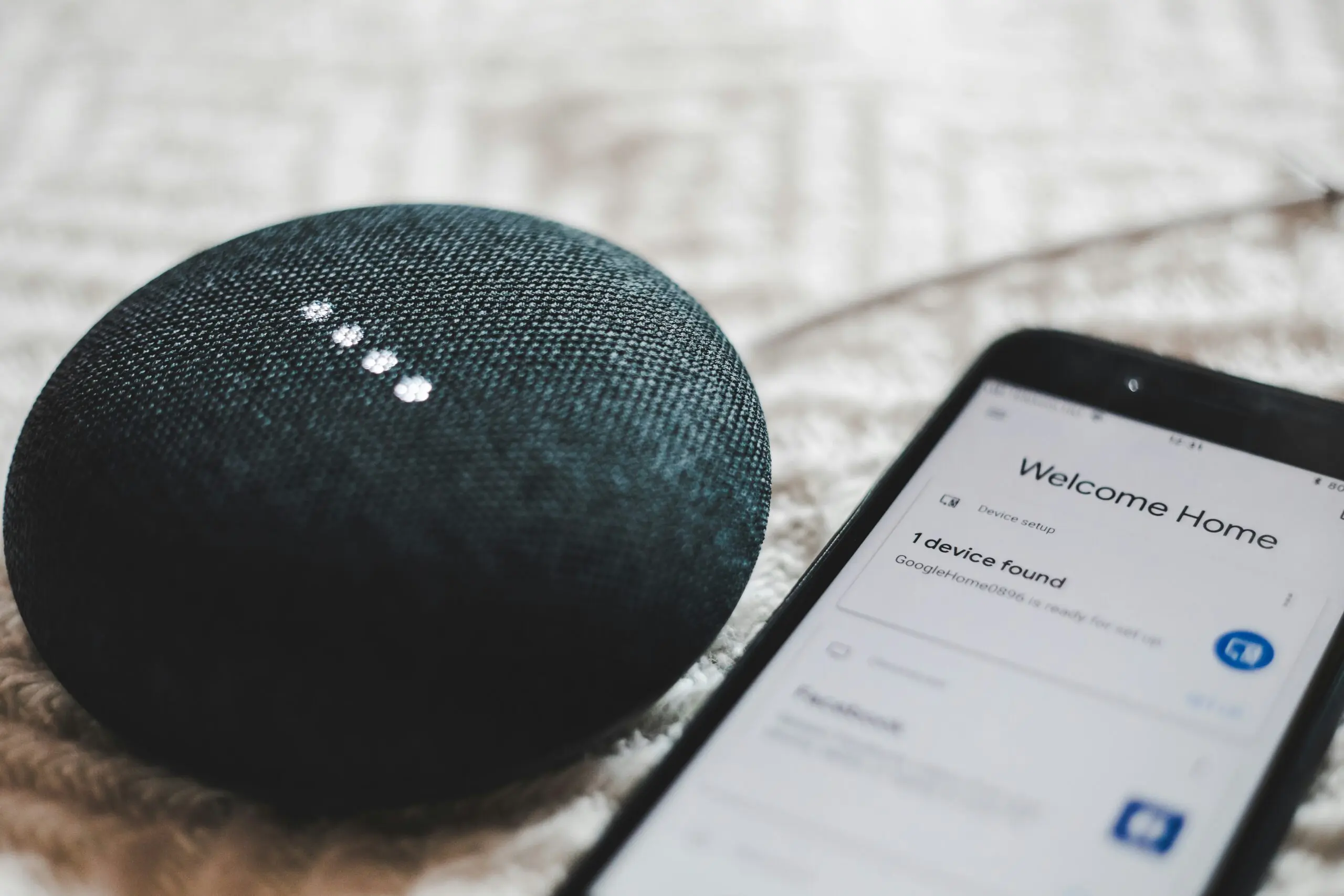
A PCMag survey found that 68% of respondents believe their smart home devices listen to them without their knowledge and share that data with companies. What makes that number uncomfortable isn’t that it’s paranoid, it’s that the evidence keeps backing it up.
This Isn’t Hypothetical, It Already Happened
Google was caught with an undisclosed microphone built into a home alarm system, one that had never been mentioned in the product’s spec sheet or marketing. It wasn’t a rumor or a leaked internal memo, it was a real, shipped device with a hidden listening component nobody agreed to. That single case does more to justify public suspicion than any survey number could.
“Only Listens for the Wake Word” Is a Half-Truth
Every major voice assistant maker insists their devices only start recording after detecting a wake word. That’s technically true and also slightly misleading: for the wake-word detection to work at all, the microphone has to be continuously active and processing audio locally, all the time. The device isn’t supposed to be sending that audio anywhere, but “supposed to” is doing a lot of work in that sentence, and it relies entirely on trusting the manufacturer’s internal safeguards rather than anything a user can independently verify.
It’s Not Just Voice Assistants
Smart TVs and thermostats don’t typically record audio, but they quietly log behavioral data continuously, what you watch, when you’re home, how you adjust the temperature and when. None of that requires a microphone to feel invasive; it’s a detailed behavioral profile built from devices most people don’t think of as “smart” enough to be a privacy risk.
What Actually Reduces the Risk
- Check for a physical mute switch, devices with a hardware microphone cutoff (not just a software toggle) genuinely can’t listen when it’s engaged
- Read the specific data-sharing clause, not just the privacy policy summary, several 2026 breakdowns found the concerning language buried in third-party sharing sections, not the main text
- Prefer on-device processing where available, some newer smart home lines now process voice commands locally instead of sending audio to the cloud, which meaningfully reduces exposure
The Uncomfortable Bottom Line
Smart home convenience and full privacy don’t currently coexist, you’re trading one for the other, in degrees, with every device you add. That doesn’t mean avoid smart devices entirely. It means the 68% in that PCMag survey aren’t being paranoid; they’re just paying attention to a pattern the industry hasn’t earned enough trust to dismiss.

Technology Writer. Olivia Carter writes about technology, digital culture, and online services for News in Focus. She is passionate about helping readers stay informed about the fast-moving world of tech through clear explanations, educational guides, and easy-to-follow articles.