VPN advertising has gotten so aggressive over the past few years that it’s created its own backlash, people who assume the whole category is snake oil. The truth sits in between: a VPN does something real and specific, and the marketing around it oversells almost everything else.
Myth: A VPN Protects You From Hackers
This is the most common and most misleading claim in VPN advertising. A VPN encrypts the connection between your device and the VPN server, it does nothing to stop malware, doesn’t scan for phishing sites, and won’t block a hacker who already has your password from a data breach. You still need antivirus software and safe browsing habits regardless of whether a VPN is running.
Myth: A VPN Makes You Anonymous
A VPN reduces your digital footprint by masking your IP address from websites you visit, but it does not make you anonymous, full stop. Your VPN provider itself can typically see your traffic (which is why provider trust and no-logs policies matter enormously), and logging into any account, email, social media, banking, immediately re-identifies you regardless of what your IP address shows.
What a VPN Actually Does Well
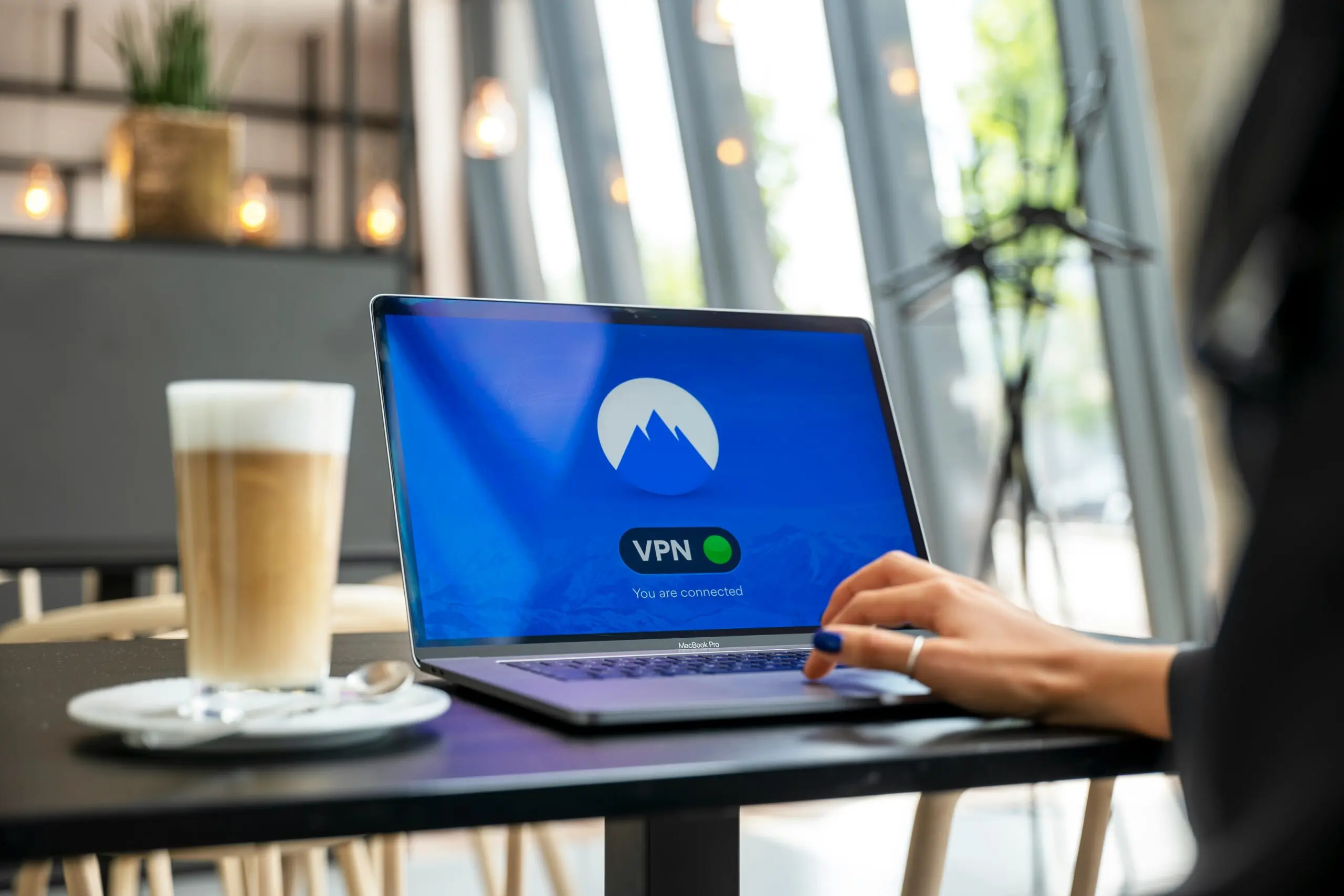
The real, defensible use case is encrypting your connection on networks you don’t control, coffee shop WiFi, hotel internet, airport lounges. On an open or poorly secured network, a VPN genuinely prevents anyone else on that same network from snooping on your traffic. It also hides your browsing from your internet service provider, which matters in places where ISPs are known to log or sell that data.
Who Actually Needs One Daily
People who work remotely from public spaces regularly, travel often and connect to unfamiliar networks, or live somewhere with legally mandated data retention laws get real, consistent value from a VPN. If you mostly browse from home on a network you trust, with a router that has reasonable security settings, the daily necessity drops significantly, it becomes a nice-to-have rather than essential.
The Honest Verdict
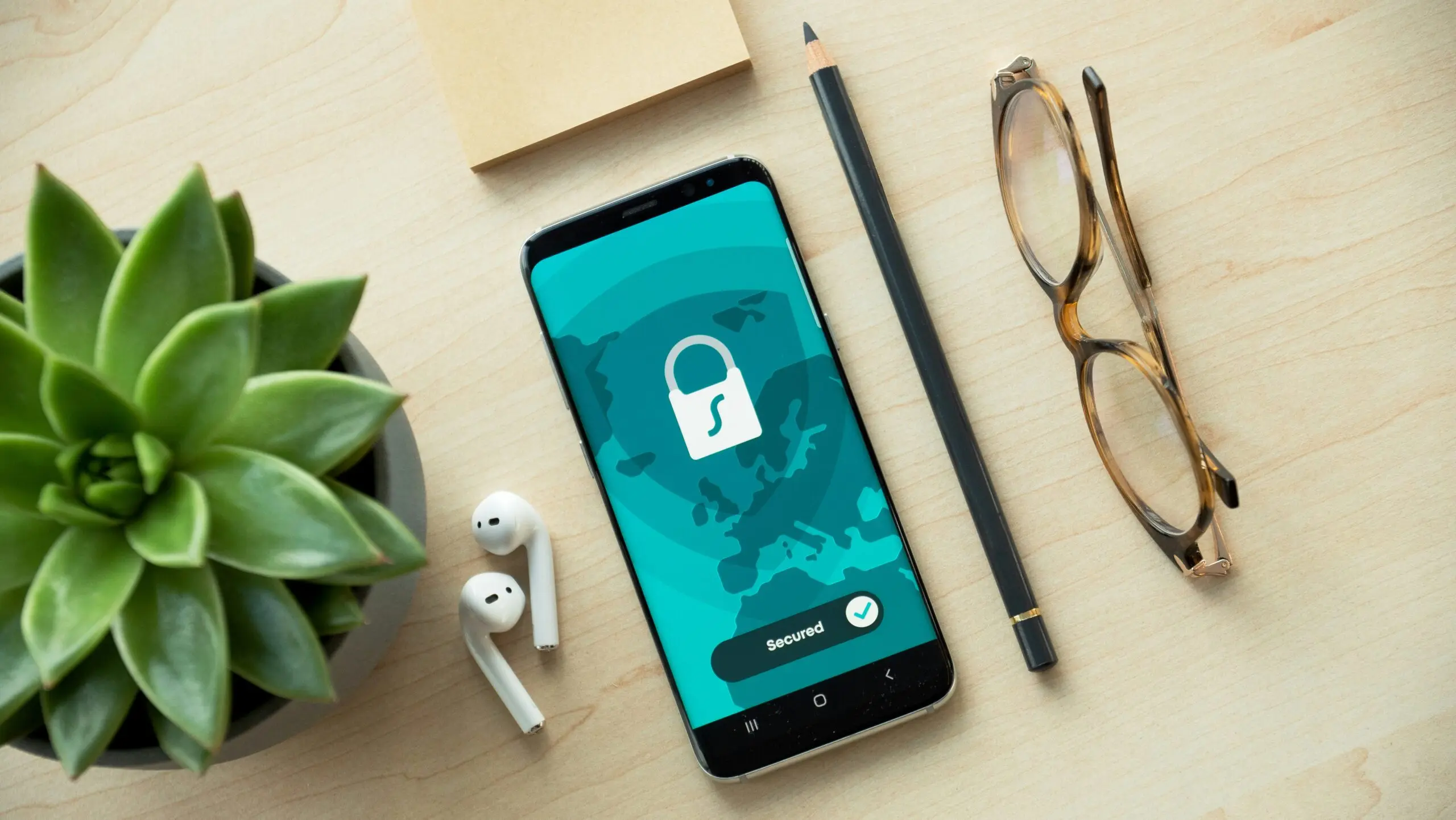
A VPN is a legitimate privacy tool for a specific, narrower job than the ads suggest: encrypting your connection on networks you don’t control and hiding your browsing from your ISP. It is not a security suite, not a shield against hackers, and not an anonymity tool. Buy one for what it actually does, not for what the marketing implies it does.

Technology Writer. Olivia Carter writes about technology, digital culture, and online services for News in Focus. She is passionate about helping readers stay informed about the fast-moving world of tech through clear explanations, educational guides, and easy-to-follow articles.